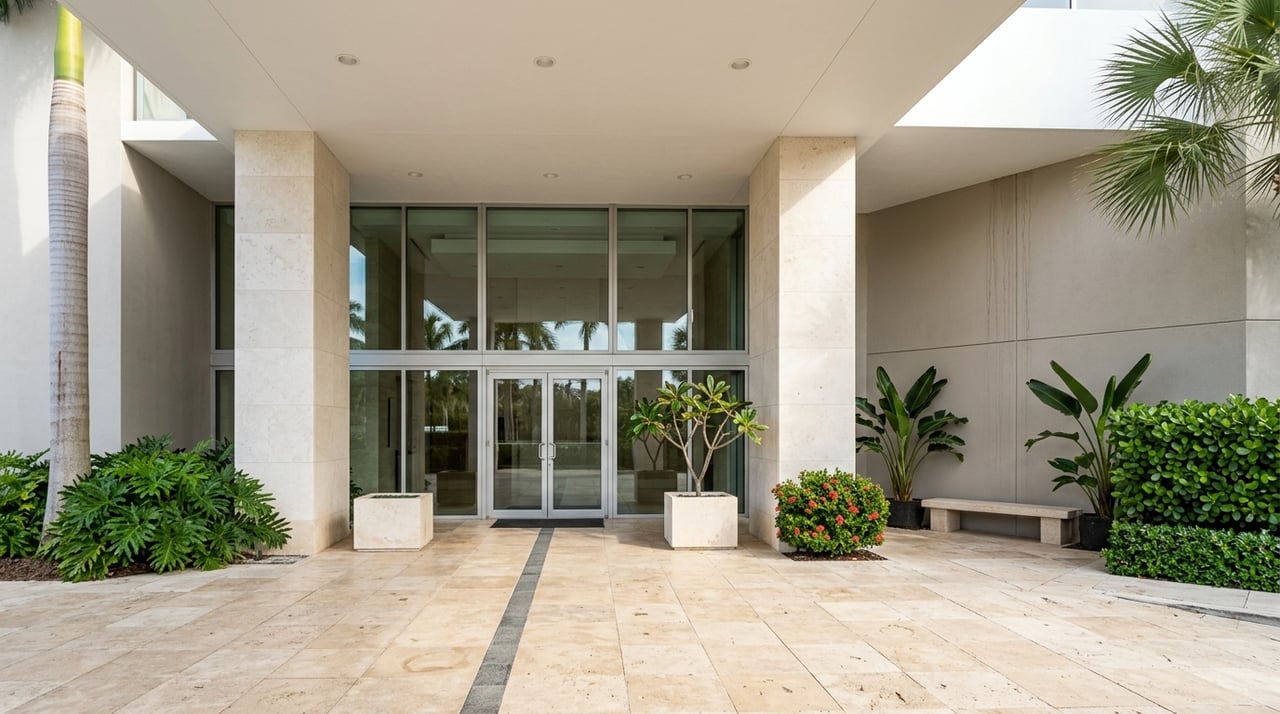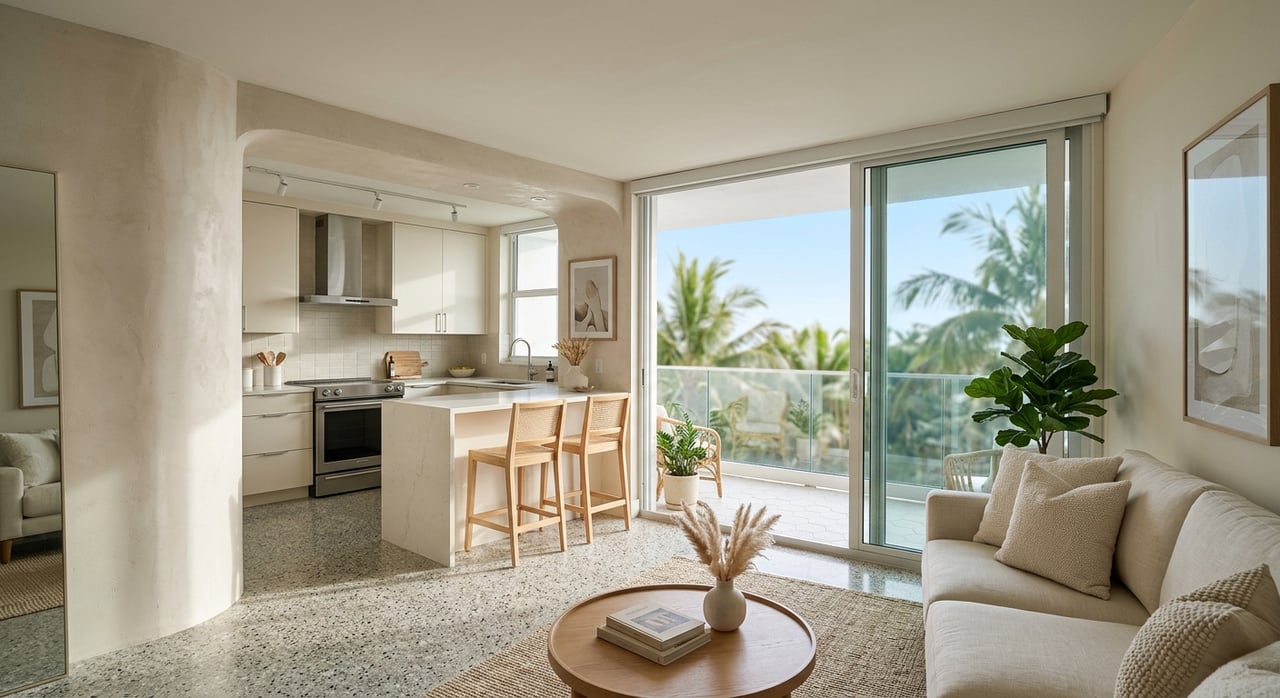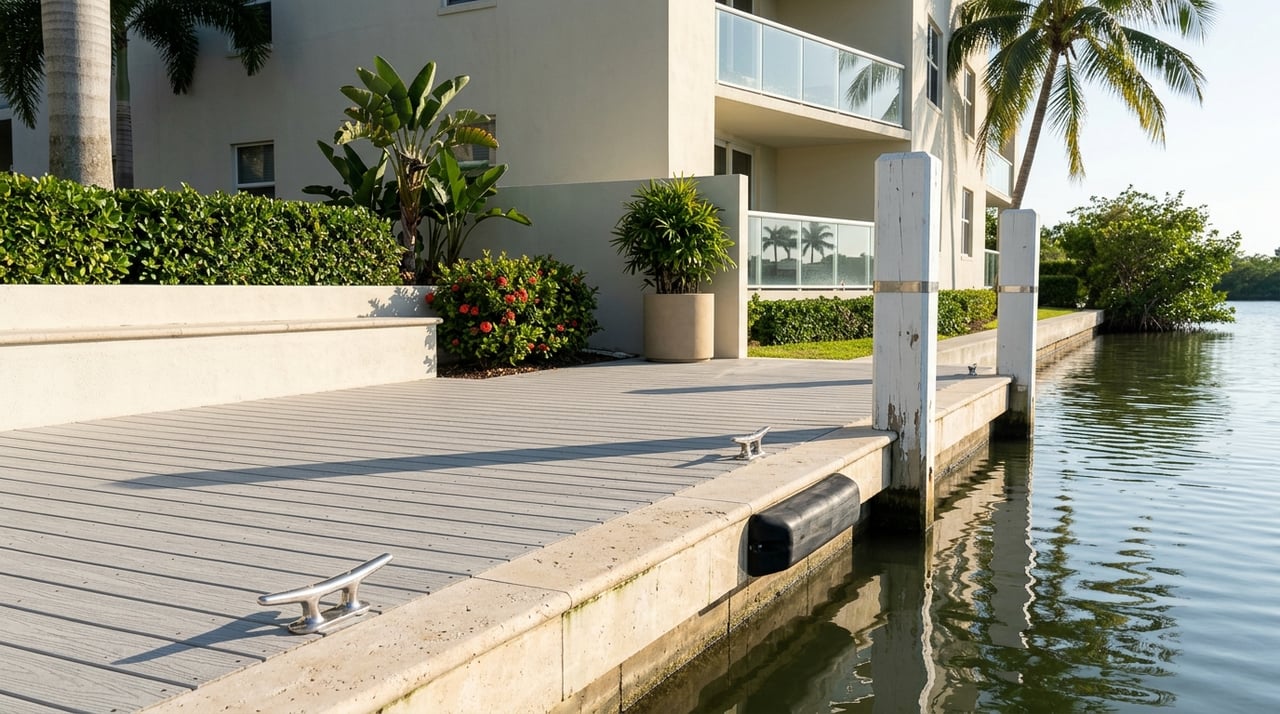
If you have started looking at Jupiter waterfront condos, you have probably noticed something quickly: not every building delivers the same kind of lifestyle. Some communities feel like a private resort, some are built around boating, and some keep things simple with a quieter oceanfront setting. If you want to narrow your search with more confidence, it helps to understand how amenity styles differ and what those differences can mean for daily living, ownership costs, and long-term value. Let’s dive in.
Why amenity style matters in Jupiter
In Jupiter, waterfront condos are best understood as different amenity packages rather than one single property type. Along the eastern shoreline of the Intracoastal Waterway, the Town of Jupiter’s Riverwalk connects residential communities, marinas, commercial areas, and waterfront parks, which adds another layer to how residents use and enjoy the area.
That matters because your ideal building may not be the one with the longest amenity list. You may care more about beach access, guarded entry, tennis or pickleball, marina access, or simply a lower-density building with fewer shared spaces to manage.
The town’s neighborhood map shows a concentrated condo cluster that includes communities such as Jupiter Cove, Jupiter Harbour, Jupiter Yacht Club, Jupiter Ocean Grande, Ocean Club, Oceancrest Condos, Ocean Trail, Ocean Walk, Ocean Dunes, and Ocean Parks. That variety is one reason buyers in Jupiter benefit from building-level guidance, not just a broad search by price or square footage.
Resort-style waterfront communities
Some Jupiter waterfront condos offer what you could call high amenity density. These are communities where the appeal goes beyond the water view and includes a broad mix of shared recreation, social space, and convenience.
Jupiter Harbour is a good example. It is a gated, 24-hour guarded community with five buildings and 98 units, along with a pool, clubhouse, tennis courts, and an on-site marina and waterside restaurant. The association also states that every unit has a direct water view.
Jupiter Cove is another strong example of the resort-style model. This 138-unit community spans three six-story buildings on 17 acres and includes a 58-slip marina, clubhouse, exercise room, large pool, Pelican Tiki Park, and tennis and pickleball courts.
Marina at the Bluffs shows how a larger campus can still feel lifestyle-driven. With 660 units, it offers four pools, two tennis courts, bocce, and beach access with picnic and grill areas, which creates a more active shared-environment feel than a typical stand-alone condo building.
Who this style often fits
This style often appeals to buyers who want a low-effort ownership experience with more built-in recreation. Seasonal and second-home buyers often value guarded access, pool and clubhouse use, covered parking, and easy beach or dining access.
It can also work well if you want a community that feels active without requiring you to leave the property for every amenity. For some buyers, that club-like environment is the whole point of owning on the water.
Marina-focused condo communities
If boating is high on your priority list, this is where details matter most. A waterfront address does not automatically mean your condo comes with a boat slip, and Jupiter has several examples that show why buyers need to look closely at how dockage is structured.
Jupiter Yacht Club Marina has 79 individually owned slips that can be sold or rented. The marina also states that liveaboards are not permitted, which is the kind of practical rule you want to know before making assumptions about use.
Jupiter Cove represents a community where marina access is part of the property story, with its 58-slip marina within the community. By contrast, the Bluffs Marina is privately owned and not affiliated with the Marina at the Bluffs condominium association, even though the condo campus itself offers a strong amenity mix.
Public access also shapes the lifestyle
Jupiter’s public waterfront infrastructure adds flexibility for buyers who enjoy boating or being near the water but do not necessarily need private slip ownership. Public Riverwalk access includes the Jupiter Yacht Club Marina Basin on a first-come, first-served basis, and public ramps and docks are available at Burt Reynolds Park.
That means some owners can enjoy waterfront living while relying on nearby public access points instead of an association-controlled marina. Still, you should never assume a condo purchase includes dock rights, slip ownership, or guaranteed marina use.
Questions to ask about dock access
Before you get too attached to a boating-oriented building, ask a few specific questions:
- Is the slip included with the unit, separately owned, or available only by lease or rental?
- Is the marina owned by the association or by a separate private entity?
- Are there use restrictions, including rules about liveaboards?
- Are there additional fees beyond condo dues for dock or marina use?
- What public boating access points are nearby if the building does not include private dockage?
Boutique oceanfront buildings
At the quieter end of the market, some Jupiter waterfront condos trade broad club-style amenities for a more private, lower-density setting. These buildings can be a strong fit if you care more about oceanfront location, a simpler ownership experience, and fewer shared facilities.
Ocean Club Jupiter is a useful example. It is a 48-unit oceanfront building with private beach access, a community pool, and covered garage parking.
This kind of boutique profile usually means a shorter amenity list, but that is not necessarily a drawback. For many buyers, fewer residents and a more limited common-area footprint can feel more peaceful and easier to navigate day to day.
Why smaller buildings can still feel complete
In Jupiter, the surrounding public waterfront environment helps support smaller-scale living. Jupiter Beach Park offers guarded beach access, picnic areas, showers, snorkeling, and jetty fishing at the inlet, while the Riverwalk adds public waterfront connectivity along the Intracoastal.
That public-access network can make a simpler building feel more lifestyle-rich than its on-site amenity list alone might suggest. If you like getting out and using the surrounding area, a boutique building may deliver everything you need without paying for a larger resort-style package.
Matching amenities to your goals
The best building for you depends less on what sounds impressive and more on how you plan to use the property. In Jupiter, that usually comes down to a few common buyer priorities.
Seasonal or second-home buyers
If you plan to use the property part-time, convenience often rises to the top. Guarded access, a pool, a clubhouse, covered parking, and easy beach or dining access tend to matter because they support a lock-and-leave lifestyle.
Communities like Jupiter Harbour, Jupiter Cove, and Ocean Club Jupiter can fit this pattern well, though each does it in a different way. One may lean more toward broad amenities, while another may offer a simpler beach-focused experience.
Full-time residents
If you expect to live in the condo year-round, daily function often matters more than maximum amenity count. Features such as an exercise room, tennis or pickleball, storage, walkability, and quieter common spaces may have more value over time than extras you rarely use.
Jupiter Cove and Marina at the Bluffs are good examples of communities where everyday-use amenities help shape the appeal. The question is not just what is available, but what will actually improve your routine.
Boaters and investor-minded buyers
If boating access or income potential is part of your decision, ownership structure becomes especially important. You need to verify how dock access works, whether marina rights are part of the condo ownership, and what restrictions or extra costs may apply.
In Jupiter, that can vary significantly from one property to the next. A separately owned slip system creates a different ownership equation than a community marina that is part of the overall amenity package.
The ownership side of amenities
Amenities are not just lifestyle features. In a Florida condo, they are also part of an ownership and management structure shaped by Chapter 718 and association governance.
The Florida Department of Business and Professional Regulation provides condominium resources that highlight unit-owner rights related to notices, budget meetings, assessments, fines, and structural integrity reserve study and milestone inspection information. In practical terms, that means the quality of a building’s amenities is connected to the association’s ability to fund, maintain, inspect, and manage them over time.
This is especially important in waterfront buildings, where shared elements may include pools, elevators, garages, clubhouses, marinas, docks, and beach-access infrastructure. A beautiful amenity is only part of the story. The real question is how well that amenity is being maintained and supported.
What to review before you buy
When you tour Jupiter waterfront condos, look at amenities through both a lifestyle lens and an ownership lens. A few key due-diligence points can help you compare buildings more clearly.
- What do the condo dues cover?
- Are the amenities association-owned, privately owned, or public?
- Are there current reserve and inspection disclosures available?
- Have there been recent or upcoming assessments tied to major shared components?
- Are there usage rules that could affect how you plan to enjoy the property?
The goal is not to avoid amenity-rich buildings. It is to understand the full picture before you make a decision.
A smarter way to compare Jupiter condos
When you compare Jupiter waterfront condo buildings, it helps to think in three broad categories: resort-style communities, marina-focused properties, and boutique oceanfront buildings. That framework can make your search much more efficient.
If you want a broad shared-amenity package, communities like Jupiter Harbour and Jupiter Cove may stand out. If boating is central to your lifestyle, you will want to focus on how marinas, slips, and public access actually work. If privacy and simplicity matter most, a smaller building like Ocean Club Jupiter may be the better fit.
In other words, more amenities do not automatically mean better value. The right fit comes from choosing the amenity style that supports how you want to live in Jupiter, how much shared infrastructure you are comfortable paying for, and how the building is managed over time.
If you want help comparing Jupiter waterfront condo buildings at a more detailed, building-by-building level, Robert A Scarmazzo offers local insight, personalized guidance, and high-touch support for buyers, sellers, and investors across Palm Beach County’s coastal condo markets.
FAQs
Do all Jupiter waterfront condos include boat slips?
- No. Some communities have on-site marinas, some use separately owned slips, and some are more beach-oriented and do not center on dock access.
Are condo amenities in Jupiter the same as public waterfront access?
- No. On-site condo amenities are separate from public features like the Riverwalk, public docks, public ramps at Burt Reynolds Park, and access at Jupiter Beach Park.
What should you check before touring a Jupiter waterfront condo building?
- You should verify whether amenities are association-owned, privately owned, or public, what the dues cover, whether there are use restrictions, and whether reserve and inspection disclosures are current.
Which Jupiter waterfront condo style works best for seasonal buyers?
- Seasonal buyers often prefer communities with guarded access, pool and clubhouse use, covered parking, and easy beach or dining access, but the best fit depends on how much on-site activity and maintenance simplicity you want.
Why do condo budgets and reserves matter when comparing Jupiter amenities?
- Amenities depend on the association’s ability to fund maintenance, inspections, and long-term repairs, so budgets, reserves, and assessments can directly affect both lifestyle and ownership costs.