If you are shopping for a Singer Island condo, the monthly HOA fee can look simple at first glance. In reality, that number only tells part of the story, especially in coastal buildings where inspection schedules, reserve funding, and major repair planning can shape your long-term costs. When you understand how condo HOAs work here, you can compare buildings more confidently and avoid surprises after closing. Let’s dive in.
Why Singer Island HOA Health Matters
On Singer Island, condo due diligence should go beyond asking, “What are the dues?” Florida law now puts much more attention on building inspections, structural reserve planning, and documented funding for future repairs. That means the financial health of the association is a major part of the ownership picture.
For buildings that are three habitable stories or higher, milestone inspections are required at 30 years and every 10 years after that. Local enforcement agencies can shorten the first deadline to 25 years in areas near salt water. For coastal condo buyers, that makes building age, inspection history, and reserve strength especially important.
This matters because a lower monthly fee is not always the better value. In some cases, a building with modest dues may be underfunding future repairs, while a building with higher dues may be planning more responsibly. When you compare Singer Island towers and mid-rise condos, you want to know whether the HOA is budgeting for reality.
What Florida Requires Associations to Plan For
A key document in many condo communities is the structural integrity reserve study, often called a SIRS. This study is based on a visual inspection and must address major components such as the roof, structural systems, fireproofing and fire protection, plumbing, electrical systems, waterproofing and exterior painting, windows, and exterior doors. It also covers other high-cost items whose failure could affect those systems.
The study must identify estimated useful life, replacement cost or deferred maintenance, and a funding plan. In practical terms, it helps show whether the association is preparing for large future expenses or pushing them down the road. For a buyer, that is a critical distinction.
For qualifying associations, budgets adopted on or after December 31, 2024 generally cannot waive or underfund reserves for listed structural items. Florida law also ties reserve funding to the most recent structural integrity reserve study for required items and restricts using those reserve funds for unrelated purposes. That gives buyers a clearer framework, but it also means some associations may need to raise fees or approve assessments to catch up.
Documents You Should Review Before Buying
Florida resale disclosure law gives buyers important protections. Before closing, a prospective purchaser must receive key association documents at the seller’s expense. If the disclosure requirements are not met, the contract can be voidable by the purchaser before closing.
Here are the core documents you should review:
- Declaration
- Articles of incorporation
- Bylaws and rules
- Annual financial statement
- Annual budget
- Inspector-prepared milestone summary, if applicable
- Most recent structural integrity reserve study, or a statement that none has been completed
- Turnover inspection report, if applicable
- Statutory FAQ document
These papers can tell you a lot about how a building is run. They can also reveal whether the association is transparent, organized, and realistic about current and future costs.
How to Verify HOA Records
It is smart to compare resale disclosure documents with the association’s official records. Under Florida law, associations must maintain organized records that include financial reports, contracts, minutes, audits, accounting statements, structural integrity reserve studies, plans, permits, warranties, and other written records related to operations.
Most official records must be kept in Florida for at least seven years, while some core records must be kept permanently. Associations must make records available within 10 working days after a written request, and owners may inspect and copy them at a reasonable expense. If records are not provided within that timeframe, Florida law creates a rebuttable presumption of willful noncompliance.
There is also a useful state-level verification tool. As of July 1, 2024, associations must electronically submit a completed SIRS reporting form within 45 days after the study is completed, and only complete submissions appear in the DBPR reporting database. If a seller or manager says the study has been completed, that filing can help confirm it.
How to Read Monthly Fees the Right Way
Monthly dues should be viewed as part of a larger budget story. Florida condominium budgets must be detailed, adopted at least 14 days before the start of the fiscal year, and include reserve accounts for capital expenditures and deferred maintenance. Assessments must be made at least quarterly and must be sufficient to fund current operating expenses and prior unpaid operating expenses.
When you review the budget, look past the total fee and ask what it is supporting. Is the association covering day-to-day operations while also building reserves for future work? Or is it keeping fees low without a strong long-term plan?
A useful way to read the numbers is to focus on three areas:
- Operating costs: routine expenses needed to run the property
- Reserve funding: money set aside for future capital repairs and deferred maintenance
- Capital project pressure: known projects that may lead to fee increases, borrowing, or special assessments
If proposed assessments exceed 115 percent of the prior year, the board must also propose a substitute budget, although reserves and insurance are excluded from that 115 percent test. That means fees can still rise meaningfully even in associations that are simply responding to reserve needs or insurance costs.
Reserve Lines and Special Assessments
Reserve funding can come from regular assessments, special assessments, lines of credit, or loans. Special assessments and borrowing generally require approval of a majority of the total voting interests. That is why understanding both the current reserve balance and the funding strategy matters.
Some associations also use pooled reserve accounts. If they do, the budget still must show that available funds can meet projected expenses for the reserve pool under the latest reserve plan. In other words, pooled reserves are not automatically a problem, but they should still be backed by clear math and a credible funding schedule.
You should also know that fee increases do not always mean poor management. If a milestone inspection has been completed within the prior two calendar years, the board may temporarily pause or reduce reserve contributions for up to two consecutive annual budgets in order to fund milestone-related repairs. In a coastal condo market like Singer Island, that can create a short-term spike in fees or a special assessment even when the board is acting prudently.
Projects That Often Drive Costs
For Singer Island condos, major building systems matter more than cosmetic updates. The most important project categories are the same ones Florida law puts under reserve or inspection scrutiny.
Watch for planned or deferred work involving:
- Roofs
- Structural systems
- Waterproofing
- Windows
- Exterior doors
- Elevators
- Heating and cooling systems
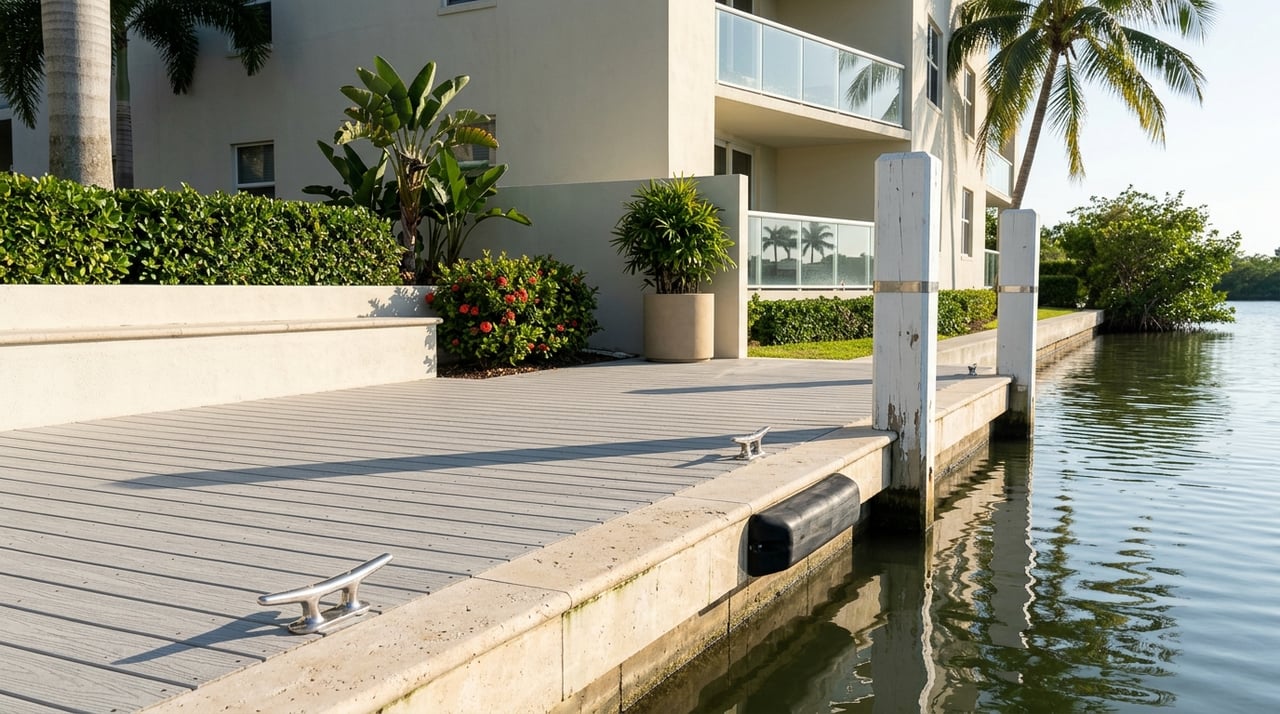
- Seawalls
- Pool and spa equipment
- Drainage systems
- Irrigation systems
- Parking areas
These items can have a direct impact on both ownership costs and future resale value. In a waterfront condo, a building’s approach to these systems tells you a lot about how well the HOA is managing risk.
Where to Check Palm Beach County Records
When you are researching a Singer Island condo, public records can help you confirm basic property details before you request association documents. Palm Beach County’s Property Appraiser maintains the county’s official map and ownership records, and its GIS system assigns a unique parcel control number, or PCN, to each parcel.
A practical workflow is to start with the Property Appraiser to confirm the parcel, owner, and municipality. Then you can use the Palm Beach County Clerk of the Circuit Court and Comptroller’s Official Records system to search for deeds, liens, mortgages, plats, tax deeds, and similar recorded documents. Searches can be done by party name, legal description, physical address, PCN, book and page, instrument number, or case number.
This can help you locate recorded declarations, amendments, and other documents that affect ownership. Keep in mind that deed updates in the Property Appraiser system can lag by one to three weeks after recording. Also, permit and code search services may depend on whether the parcel falls under municipal or county jurisdiction, so it is important to verify the property’s municipality first.
Smart Questions to Ask the HOA
When you are comparing Singer Island buildings, asking the right questions can save you time and reduce uncertainty. You are not just buying a unit. You are also buying into the association’s financial planning and operating decisions.
Consider asking:
- Can you provide the current declaration, bylaws, rules, annual budget, and annual financial statement?
- Has the building completed its milestone inspection, and can I review the inspector-prepared summary?
- Has the association completed its most recent structural integrity reserve study?
- What reserve items are fully funded, and which are underfunded?
- What is the reserve funding schedule?
- Are any special assessments, lines of credit, or loans being considered?
- What capital projects are planned for roofs, windows, waterproofing, elevators, seawalls, drainage, pool systems, parking areas, or HVAC?
- Are there unresolved open permits, code issues, lawsuits, insurance disputes, or major contract renewals that could affect costs?
- What do the rules say about rentals, pets, parking, renovations, move-ins, and exterior modifications?
A well-run association will usually have current documents, a clear reserve framework, and a direct explanation for upcoming work. If answers are vague or records are hard to get, that is a signal to slow down and look closer.
What This Means for Singer Island Buyers
The best HOA is not necessarily the one with the lowest monthly dues. In many cases, the stronger choice is the building with a realistic budget, updated records, visible planning, and a clear strategy for inspections and reserves. That kind of preparation can reduce the chance of unpleasant surprises later.
For buyers on Singer Island, especially those considering oceanfront or intracoastal condos, building-level detail matters. Tower by tower, HOA quality can shape your costs, your experience, and your long-term confidence in the purchase. Local insight can make a big difference when you are weighing similar properties with very different financial profiles.
If you want help comparing Singer Island condo buildings, reviewing the bigger ownership picture, or narrowing your options, connect with Robert A Scarmazzo. You will get local, tower-level perspective tailored to the way you plan to use the property.
FAQs
What documents should you review for a Singer Island condo HOA?
- You should review the declaration, articles of incorporation, bylaws and rules, annual financial statement, annual budget, milestone inspection summary if applicable, the most recent structural integrity reserve study or notice that none exists, turnover inspection report if applicable, and the statutory FAQ document.
What is a structural integrity reserve study for a Florida condo?
- A structural integrity reserve study is a visual inspection-based reserve planning document that addresses major systems such as the roof, structure, plumbing, electrical, waterproofing, windows, and exterior doors, along with estimated useful life, repair or replacement cost, and a funding plan.
Why can Singer Island condo HOA fees rise even in a well-run building?
- Fees can rise because an association may need to increase reserve funding, cover insurance costs, or pay for milestone-related repairs after an inspection, even when the board is acting conservatively and following Florida requirements.
Where can you check public records for a Singer Island condo?
- You can start with the Palm Beach County Property Appraiser to confirm parcel and ownership details, then use the Palm Beach County Clerk’s Official Records system to search recorded documents such as deeds, liens, mortgages, plats, and other ownership-related filings.
What should you ask a Singer Island condo HOA before buying?
- You should ask about milestone inspections, reserve funding, planned capital projects, possible special assessments or borrowing, unresolved permits or disputes, and the current rules covering rentals, pets, parking, renovations, move-ins, and exterior changes.