Picture your morning starting with the sound of waves and a coffee on a balcony facing the Atlantic. If you are considering a condo on Singer Island, you want to know more than the views. You want to understand the lifestyle, the real costs, and how ownership actually works. This guide gives you a clear look at daily life, amenities, fees, insurance, rental rules, and what to check before you buy. Let’s dive in.
Singer Island at a glance
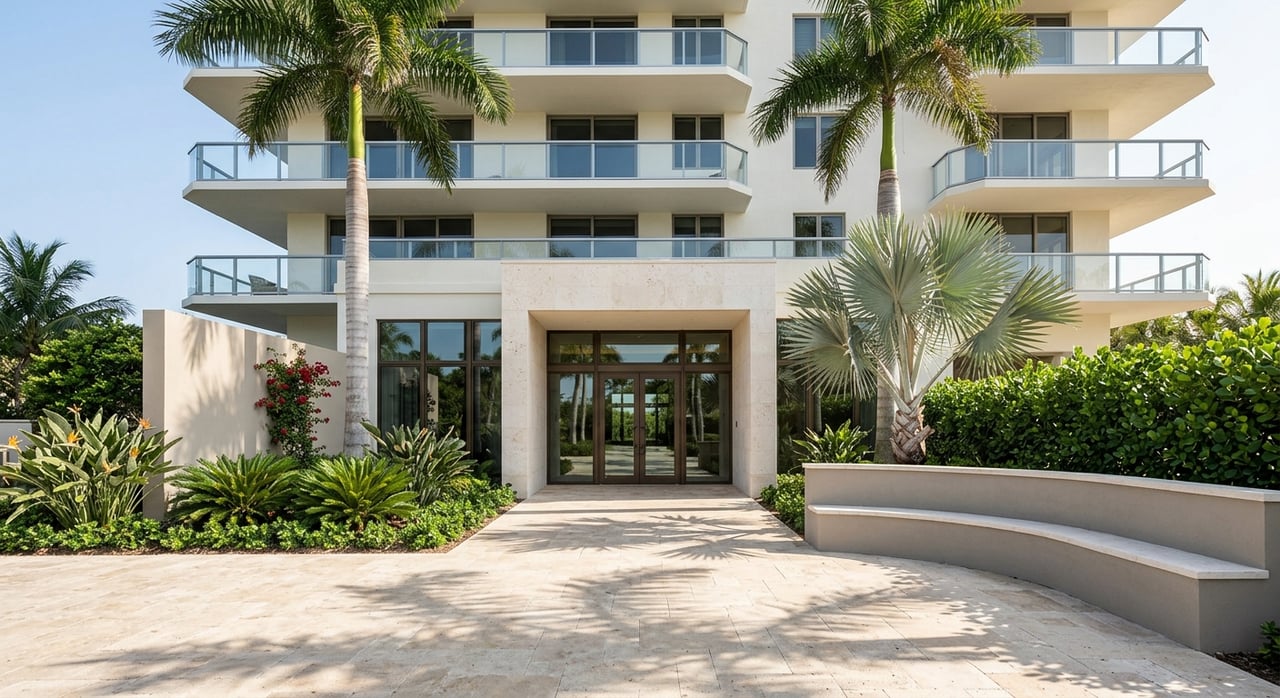
Singer Island is a barrier island in Palm Beach County with the Atlantic on the east and the Intracoastal Waterway on the west. The island blends municipal areas with unincorporated zones, including the small town of Palm Beach Shores. You will find mid and high‑rise towers along the ocean, low‑rise buildings, and a few single‑family pockets on both sides of the island.
The feel is resort‑residential. Many owners are seasonal residents, snowbirds, or retirees who value beach access, boating, and low‑maintenance living. Full‑time residents also choose Singer Island for a calm, coastal lifestyle close to broader Palm Beach amenities.
Public parks add balance to the skyline. John D. MacArthur Beach State Park brings nature trails, calmer beaches, and kayak launches just minutes away. On weekends, you will see paddleboards on car roofs and neighbors heading out for early swims or runs on the beach.
Daily life in a condo
Beach and waterfront access
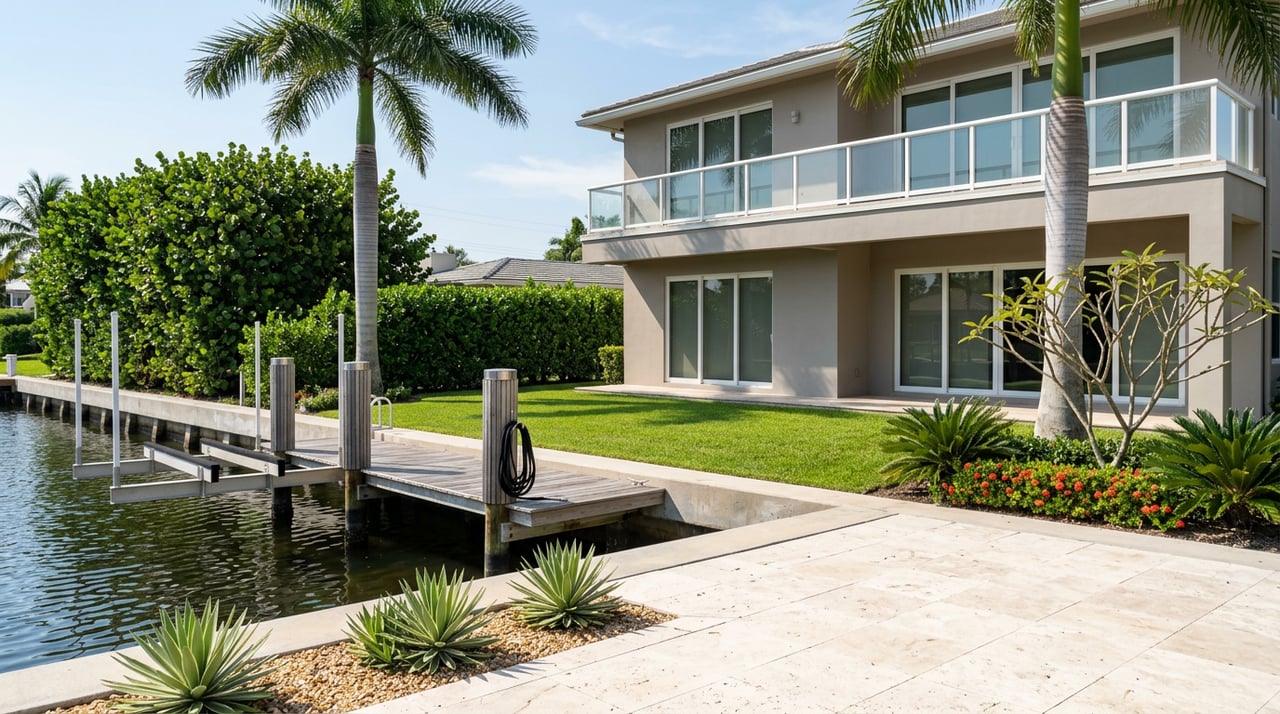
Most oceanfront buildings offer private or controlled access to sandy beaches. You can take the elevator down, cross the dune walk, and set up your chair within minutes. On the west side, intracoastal buildings trade surf for calmer water views and may offer boat slips in some associations.
Water is the main attraction. Swimming, surfing, paddleboarding, and kayaking are common year round. If you like to snorkel, Blue Heron Bridge at Phil Foster Park is a well‑known site a short drive away. Many owners keep a simple beach kit by the door so a quick walk becomes a daily routine.
Amenities and on‑site living
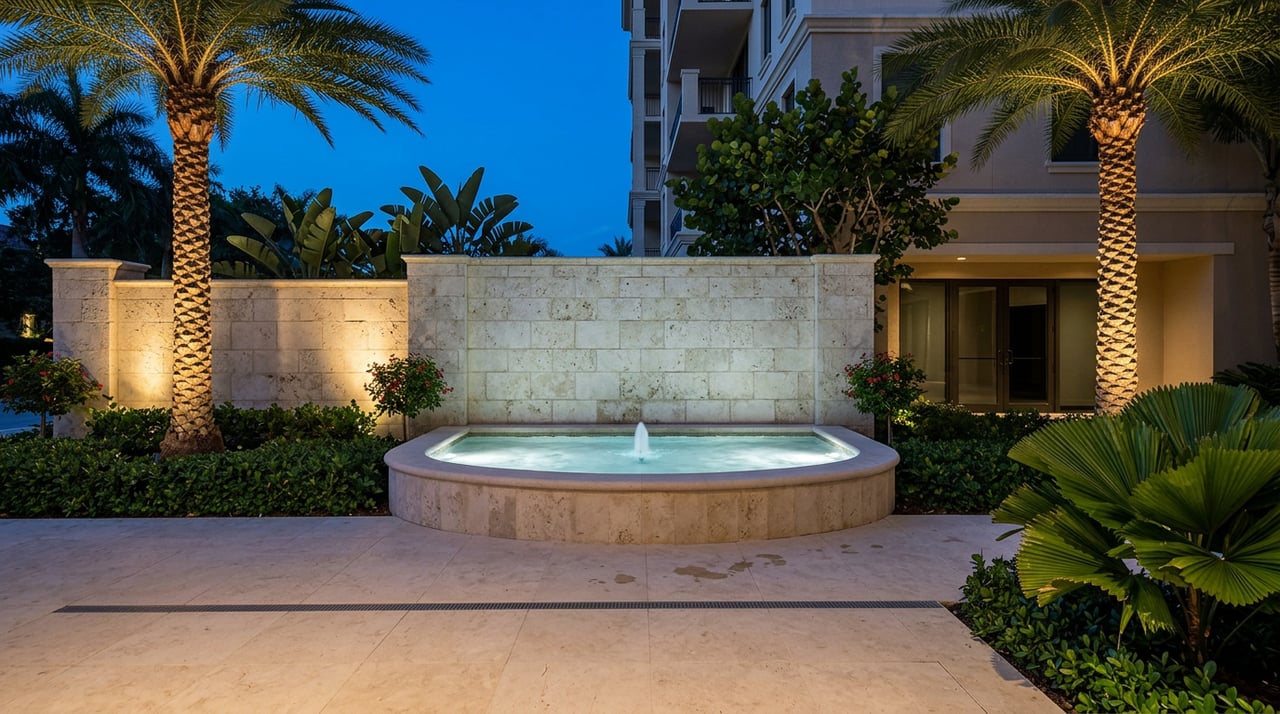
Singer Island condos often feel like small resorts. Typical amenities include pools and hot tubs, fitness centers, tennis or pickleball courts, club rooms, staffed entry, and on‑site management. Some buildings include concierge services, covered parking, and limited marina slips.
Shared spaces shape the rhythm of your day. You will see landscapers, cleaning crews, and neighbors stopping to chat in the lobby. Unit sizes range from efficient one‑bedrooms to large three or four bedroom homes designed for full‑time living. You share walls and elevators, so you balance convenience with a bit of community noise, especially in peak season.
Dining and errands
On‑island dining leans casual, with seafood and beach‑friendly menus near the main commercial nodes. For more variety, downtown West Palm Beach and Riviera Beach are a short drive over the bridge. That is where you will find broader grocery options, cultural venues, and medical centers. Many owners do everyday errands on the mainland and keep island time for relaxing.
Boating and marinas
Access to the water is a highlight. Nearby marinas in the Riviera Beach area offer fuel, slips, and charters. Day trips to Peanut Island for snorkeling and picnics are popular. Offshore fishing grounds are close by, and charter fleets operate from nearby docks if you prefer to let a captain handle the trip.
Getting around and travel
Most residents rely on a car for errands and mainland access. Traffic is moderate, but it grows during winter months. Local bus service connects the island to the broader network, and Brightline and Tri‑Rail operate out of nearby West Palm Beach. For flights, Palm Beach International Airport is the closest major option, with Fort Lauderdale and Miami offering additional routes.
What ownership really costs
HOA fees and what they cover
Monthly condo fees usually cover exterior maintenance, roof and common area upkeep, landscaping, elevators, a portion of building insurance, and on‑site management. Some include basic utilities. Parking, boat slip use, and storage may have separate fees. Since you are on the coast, expect careful attention to building exteriors and mechanical systems.
Special assessments can occur. Oceanfront towers face salt, wind, and humidity, so exterior work is periodic and important. Review the association’s reserve study, recent financial statements, and meeting minutes to see how the board plans for large projects. Healthy reserves help reduce surprises.
Insurance and storms
Hurricane season runs from June 1 to November 30, so insurance and preparation are part of ownership. Associations often carry master policies for common structures, but you will still need unit‑owner coverage for interiors and contents. Flood insurance is separate from wind coverage, and policy deductibles can be significant.
Florida’s insurance market has seen volatility. Premiums and carriers can change. Before you close, get actual quotes for wind and flood coverage for your unit and confirm the scope and deductibles of the association’s master policy. Ask about wind mitigation features and storm procedures in your building.
Building age and safety
Singer Island buildings span decades, from 1970s towers to newer construction. Older structures may need more ongoing maintenance. Since 2021, structural safety has been under increased scrutiny across Florida. Request engineering reports, recertification histories, and recent inspection outcomes. Confirm that the building complies with current county and municipal requirements and ask about any planned work.
Renting your condo
Association rules
Short‑term rental rules vary by building. Some associations do not allow short stays, some set minimum terms, and others support seasonal rentals with limits. Review the declaration, bylaws, and rules and regulations for clear guidance. Many associations require owner registration for tenants and have occupancy and use rules that affect rental schedules.
Local regulations and income potential
County and municipal governments regulate transient occupancy in different ways. Permits and enforcement can affect what is possible. Singer Island’s beachfront location drives strong seasonal demand, but returns depend on your building’s rules, lease terms, competition, and operating costs. A unit near the beach with flexible rules may perform well in high season, but numbers are never one size fits all.
Financing and lender criteria
If you plan to finance, lenders will review the association’s financial health and the building’s profile. Items such as insurance adequacy, reserve funding, litigation status, and the percentage of owner‑occupied units can affect approval. Some lenders are more cautious with older buildings or those with a high share of rentals. Plan ahead and ask for association documentation early.
Singer Island vs other Florida condo markets
Compared with Miami Beach, Singer Island is generally quieter, with fewer entertainment corridors and a more relaxed resort feel. You still have quick access to dining and culture on the mainland, but the island keeps a calmer pace.
Compared with Fort Lauderdale, Singer Island offers great boating access without the same density of inland waterways and commercial strips. The condo mix here is a blend of high‑rise oceanfront towers and residential buildings that focus on views and amenities.
Compared with Gulf coast towns like Naples or Sarasota, Singer Island faces the Atlantic. You get more surf on typical days and fast routes to offshore fishing grounds. The beach profile and seasonal patterns feel different than calmer Gulf waters.
Across all markets, oceanfront views, building condition, and amenities drive premiums. Barrier‑island property usually commands higher prices than inland options, and building age and maintenance history matter to long‑term value.
Smart buyer checklist
Use this list to focus your due diligence before you make an offer:
- Review the condo declaration, bylaws, rules, recent meeting minutes, current budget, audited financials, reserve study, and association insurance certificates.
- Request structural and engineering reports, plus the building’s recertification or inspection history.
- Obtain current quotes for wind, flood, and contents coverage for your unit. Confirm master‑policy coverages and deductibles with the association.
- Confirm rental policies, lease‑term minimums, and any county or municipal permitting requirements for transient rentals.
- Ask about parking assignments, guest parking, storage rooms, and any fees for boat slips or additional amenities.
- Visit common areas and walk the property. If possible, visit in high season and off season to compare traffic, noise, and beach activity.
- Verify your lender’s condo approval criteria if you are financing. Ask about owner occupancy ratios, reserves, and insurance requirements.
- Create a budget that includes HOA fees, property taxes, insurance, any utilities not covered by the association, and a cushion for assessments.
Is Singer Island a fit for you?
If you want daily access to the beach, resort‑style amenities, and a relaxed coastal routine, Singer Island is a strong match. You trade yard work for boardwalks and sunrise walks, and you are minutes from marinas, nature parks, and city amenities on the mainland. Successful ownership comes from understanding your building’s finances, insurance, and rules, then choosing a tower and floor plan that fits how you live.
When you are ready to explore specific buildings, floor plans, and HOA profiles, connect with a local expert who knows the towers and the details that drive value. Reach out to Robert A Scarmazzo for building‑level guidance and a clear path to the right Singer Island condo.
FAQs
What is daily beach access like on Singer Island condos?
- Most oceanfront buildings offer private or controlled beach access, while public access points and parks are available along the shoreline for all residents.
How do HOA fees work for Singer Island condo owners?
- Monthly fees usually cover exterior maintenance, common areas, elevators, landscaping, a portion of building insurance, and on‑site management, with some utilities included in certain buildings.
What insurance do I need for a Singer Island condo purchase?
- Associations carry master policies for common structures, but you should secure unit‑owner coverage for interiors and contents, plus separate flood insurance as needed.
Are short‑term rentals allowed in Singer Island condo buildings?
- Policies vary by association. Some prohibit short stays, others allow them with limits and registration, and county or municipal rules may also apply.
How does hurricane season affect Singer Island condo living?
- From June through November, owners prepare for wind and storm risks, review building emergency plans, confirm insurance, and understand evacuation routes.
What should I review about building safety before buying on Singer Island?
- Request recent engineering reports, structural inspection results, and recertification histories, and confirm compliance with current county and municipal requirements.
How does Singer Island compare with Miami Beach for condo owners?
- Singer Island is typically quieter and more residential, with strong beach and boating access, while Miami Beach offers a larger nightlife and entertainment scene.