Are you torn between a private waterfront estate and a turnkey resort condo lifestyle? In Palm Beach County, two standouts sit side by side: Harbour Isles in North Palm Beach and the condo towers of Singer Island in Riviera Beach and Palm Beach Shores. You want boating access, a low‑stress ownership experience and the right balance of privacy and amenities. This guide breaks down costs, upkeep, privacy, boating convenience, amenities and key documents you should review before you buy. Let’s dive in.
Quick snapshot: what you can expect
Harbour Isles estates at a glance
- Gated, manned community with roughly 100 custom homes on deep‑water canals.
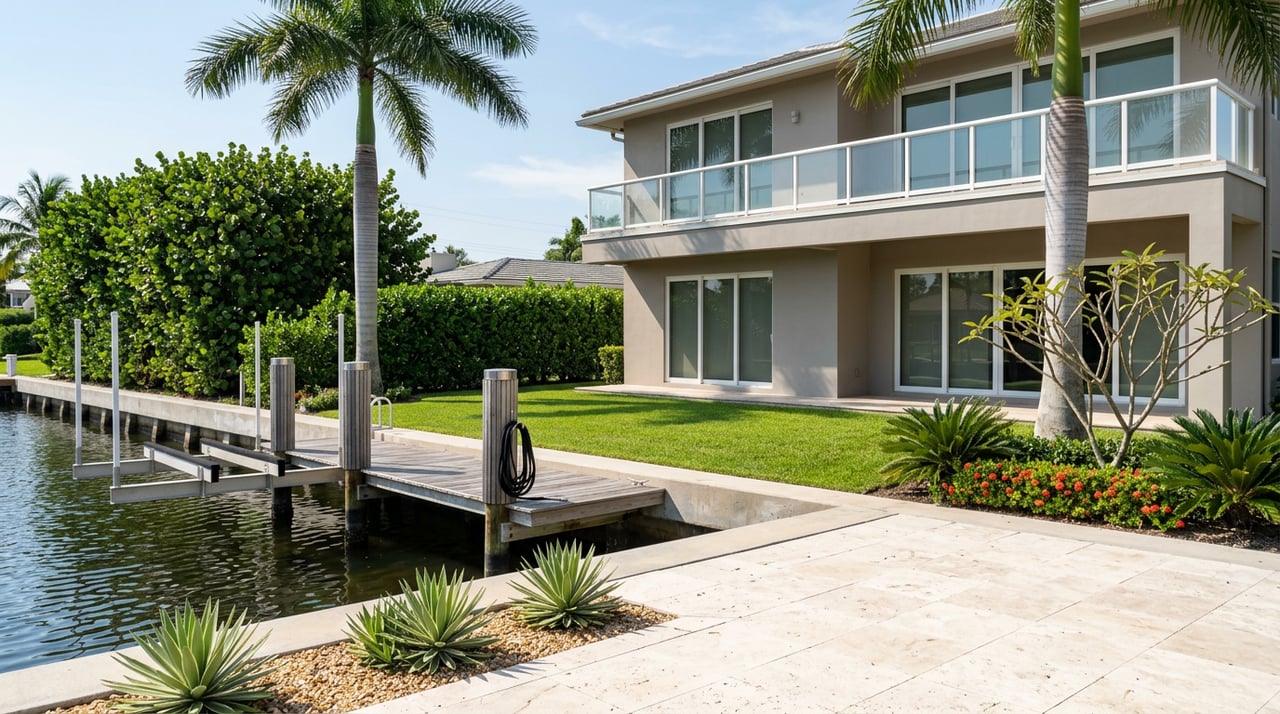
- Private docks and lifts, no fixed bridges, fast runs to the Atlantic.
- Large homes on private lots with pools and yards. Low density and quiet streets.
- You control your dock, seawall and exterior. You also own the maintenance.
Singer Island condos at a glance
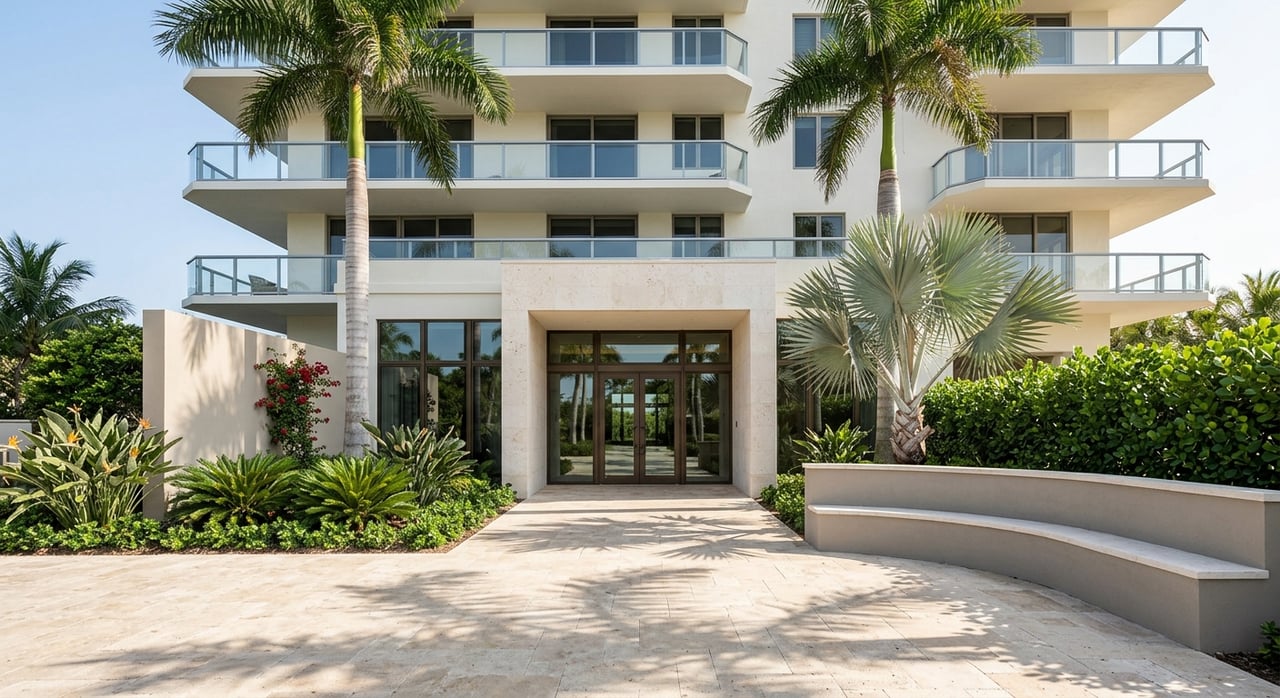
- Oceanfront and Intracoastal towers with resort‑level amenities and services.
- Many buildings feature concierge, valet, pools, fitness and on‑site dining. Newer resorts, such as Amrit, highlight spa and wellness experiences with hotel‑style services for residents. Learn more about the resort model on Singer Island.
- Marina access varies by building. Slips may be leased or purchased separately, often with waitlists.
- Association handles building systems. You pay monthly condo fees and carry an HO‑6 policy.
Maintenance and monthly costs
Harbour Isles: owner‑managed upkeep
At a Harbour Isles home, you maintain the structure, roof, exterior, landscaping, pool, dock, lift and seawall. Routine items like pool service, landscaping and dock maintenance are predictable. Seawalls and docks are larger capital projects you should plan for.
- Seawall repair and replacement costs vary by site and material. Contractor guidance shows common ballparks of roughly 150 to 600 dollars per linear foot for repairs, and 500 to 1,200 plus per linear foot for major replacement. See typical seawall cost ranges.
- You schedule and pay for inspections, permits and any shoreline work. Budget for periodic lift service and deck replacement over time.
What this means for you: you get full control of your waterfront infrastructure and design choices. You also accept responsibility for the big‑ticket maintenance when it comes due.
Singer Island condos: association‑managed systems
In most Singer Island towers, the association maintains the building envelope, roof, elevators and common areas. Your responsibility is usually the interior of your unit and your personal property. Florida’s condo statute outlines these roles and the insurance split between the association and owners. Review Florida Statute 718.111 on association duties and insurance.
- You pay a monthly HOA or maintenance fee that pools the costs of staffing, insurance, utilities covered by the association and reserves.
- You carry an HO‑6 policy for your interiors, personal property, liability and loss assessment coverage. Many owners choose higher loss assessment limits for added protection. See practical HO‑6 guidance for Florida condos.
What this means for you: you trade hands‑on upkeep for predictable monthly fees and professional building management. Your risk centers on association budgeting, reserves and the possibility of special assessments.
Quick takeaway on costs
- Choose Harbour Isles if you want control of your dock and yard and are comfortable planning for occasional capital projects.
- Choose Singer Island if you prefer to outsource building maintenance to an association and value a simplified, lock‑and‑leave routine.
Privacy and neighborhood feel
Harbour Isles: low‑density and private
With only about 100 homes behind a manned gate, Harbour Isles favors privacy. You get a private pool, yard and dock, plus quieter streets with limited visitor traffic. It suits year‑round residents and seasonal owners who want a calm setting.
Singer Island: active, amenity‑rich
Singer Island blends oceanfront towers and resort residences with public beach access and seasonal energy. Expect more building density and an active beachfront scene, particularly during peak season. Newer resort properties emphasize concierge experiences, wellness amenities and on‑site dining. For a sense of the island’s setting and attractions, explore Singer Island’s coastal profile.
Privacy takeaway
- Prefer Harbour Isles for quiet streets, private outdoor living and minimal pass‑through traffic.
- Prefer Singer Island for services on demand, social amenities and a livelier coastal vibe.
Boating access and slips
Harbour Isles: your dock, your rules
Most Harbour Isles homes include a private dock and lift on deep‑water canals with no fixed bridges and quick access to the Palm Beach Inlet. You control your slip, lift capacity and outfitting. During due diligence, verify:
- Canal depth and dredging history.
- Dock length, power setup and lift service records.
- Seawall condition and any prior permits or repairs.
Singer Island: building or nearby marinas
Many towers offer on‑site or adjacent marina options, dry‑stack storage or connections to nearby full‑service marinas. Slip rights often sit outside unit ownership and may be leased, purchased separately or subject to waitlists. Before you rely on a slip, confirm:
- Whether slips are deeded, limited common elements or third‑party leases.
- Current availability, waitlist terms and guest policies.
- Fees, insurance and who handles dredging and maintenance.
Boating takeaway
- Choose Harbour Isles if a private backyard dock is essential and you want immediate access under your control.
- Choose Singer Island if you value marina services and are comfortable with separate slip arrangements.
Amenities, services and rental use
Harbour Isles: private home amenities
Expect security gate access and quiet streets. Individual homes deliver the amenities, from pools to outdoor kitchens. There are no on‑site restaurants or valet typical of resort towers.
Singer Island: resort conveniences
Singer Island condos often deliver a full amenity stack: multiple pools, beach services, fitness and spa, on‑site dining, valet and concierge. Newer resort residences highlight wellness and hospitality‑style services for owners and guests. The services help justify higher monthly fees and fit a lock‑and‑leave lifestyle. See a recent example of the resort model on the island in this Amrit announcement.
Rental rules and local ordinances
If rental income matters to you, check three layers of rules before you buy:
- The building’s declaration and bylaws, which set minimum lease periods and rental limits.
- Local city and county regulations, which may restrict short‑term rentals. For county context on vacation rental regulation, review Palm Beach County’s board materials.
- Any building or resort management agreements that govern nightly or weekly rentals.
Florida law requires condo associations to disclose use and leasing restrictions and to maintain specific insurance and reserve standards. You should receive and review these as part of condo due diligence. Read Florida Statute 718.111 on disclosures and insurance and Statute 718.112 on reserve and inspection requirements.
Insurance and legal documents to review
Condos: what to request
For Singer Island condos, obtain and review:
- Association declaration/bylaws and any marina or slip agreements.
- Current budget, recent reserve study and board meeting minutes from the past 12 to 24 months.
- Master insurance declarations page and hurricane/wind deductible details.
- Leasing rules and any rental program documentation if you intend to rent.
Florida’s condo law details the association’s insurance duties and updated reserve study requirements for many buildings. Confirm the statute guidance here and here.
Single‑family: what to request
For Harbour Isles estates, obtain and review:
- Recent seawall and dock inspection reports, plus lift service records.
- Permit history for prior seawall or dock work and any warranties.
- Clarification on canal maintenance or dredging responsibilities.
- Flood zone status and lender requirements. Check maps and tools from FEMA’s flood mapping portal.
- Seawall maintenance or replacement expectations. For cost context, see seawall guidance.
Which lifestyle fits you?
Choose Harbour Isles if you want privacy, a yard and immediate control of your dock. You accept the tradeoff of handling exterior upkeep and planning for big‑ticket items like seawalls and roofs. This is ideal if boating is part of your daily routine and you prefer a quiet, low‑density setting in North Palm Beach.
Choose a Singer Island condo if you love turnkey living with resort services and a beachfront atmosphere. You accept monthly association fees and rely on building governance, but in return you get staff, amenities and a simple lock‑and‑leave setup. If you plan to rent seasonally, some towers and resort residences are structured for that, subject to building and local rules.
Buyer checklist: key steps
- Define your maintenance preference: private control vs association‑managed.
- For condos, collect the declaration, budget, reserve study, insurance declarations and minutes. Verify leasing rules and any short‑term restrictions under Florida law.
- For houses, order seawall and dock inspections and review permits, warranties and service records. Clarify dredging responsibilities.
- For either option, confirm flood zone status and lender requirements with FEMA’s flood tools.
- For boaters, document slip ownership or lease terms, capacity, depth and waitlist status.
Ready to talk through specific buildings and listings on Singer Island or to compare a Harbour Isles home that fits your boating needs? Reach out to Robert A Scarmazzo for local, tower‑level guidance and a clear plan to move forward.
FAQs
What are the biggest cost differences between a Harbour Isles home and a Singer Island condo?
- A Harbour Isles home concentrates costs in periodic capital projects you control, like seawalls and docks, while a Singer Island condo spreads building costs into monthly fees with the possibility of special assessments.
How should a boater verify that a property fits a large yacht?
- Confirm dock length, water depth, lift capacity and any dredging records, then review permits and engineering reports, especially for seawalls and pilings.
Do Singer Island condos allow short‑term rentals?
- Rules vary by building and local code, so review the declaration and municipal or county regulations before assuming nightly or weekly rentals are allowed.
What insurance do condo owners need compared to single‑family owners?
- Condo owners carry an HO‑6 policy for interiors and loss assessment while the association insures the building’s structure, and single‑family owners insure the full structure plus flood and wind as required.
How do I evaluate association health in a condo building?
- Ask for the current budget, most recent reserve study, board minutes for 12 to 24 months and the master insurance declarations, then review hurricane deductibles and any history of special assessments.