Buying a waterfront condo in Jupiter rarely happens in a weekend. Even if you find the right view fast, the real timeline usually depends on financing, condo documents, flood research, insurance, and association requirements. If you want to buy this season without feeling rushed, it helps to know what should happen first, what can slow things down, and where local timing matters most. Let’s dive in.
Why the Jupiter timeline is longer
If you are planning to buy a Jupiter waterfront condo this season, think in weeks, not days. In Florida Realtors’ Q4 2025 condo and townhouse data, Jupiter posted a 53-day median time to contract, with 245 active listings and 5.7 months of supply. Palm Beach County condo and townhouse activity was slower overall, with a 74-day median time to contract and 8.5 months of supply, according to the local market metrics report.
That does not mean every purchase will take months. It does mean that a smooth purchase usually comes from good sequencing, not last-minute scrambling. Waterfront condo purchases also add extra layers, especially around flood zones, insurance, and condo association records.
A practical buying timeline
Weeks 0 to 1: Get financially ready
Start with your budget and financing. The Consumer Financial Protection Bureau explains that a preapproval letter is based on assumptions, is not a guaranteed loan offer, and often expires in 30 to 60 days.
That timing matters if you are buying this season. Sellers often want to see a current preapproval letter before accepting an offer, so getting one when you are close to actively shopping can help you move quickly without having to refresh paperwork too soon.
This first stage is also the right time to begin flood-zone and insurance research. The Town of Jupiter flood information page says Jupiter faces flooding risk from the Atlantic, the Loxahatchee River, canals, lakes, and coastal surge. It also notes that standard homeowners insurance does not cover flooding and that most flood policies have a 30-day waiting period.
Weeks 1 to 3: Tour and compare wisely
Once you begin showings, compare more than the unit itself. A waterfront condo may look ideal on day one, but the building’s rules, budget, reserves, and insurance realities can affect your monthly costs and your ability to close on time.
This is especially important in Jupiter because flood exposure can vary from one property to the next. The town’s flood page notes that Special Flood Hazard Areas and Coastal High Hazard Areas can include A, AE, AH, AD, and VE zones, and that flood risk is scattered enough that every property deserves review.
As you narrow your shortlist, start paying close attention to association documents. Under Florida condominium law, the sale process is tied to documents such as the declaration, bylaws, rules, budget, annual financial statements, and certain inspection and reserve materials.
What to evaluate during tours
When you are comparing two or three buildings, ask questions that go beyond finishes and views.
- How do the association fees compare to what is included?
- Are there any rules that affect your planned use of the property?
- Has the association completed required inspections or reserve studies, if applicable?
- Is the property in a flood zone that could affect insurance or lender requirements?
- If the community has docks or marina features, are related approvals and documents available?
For waterfront communities, those details can shape both affordability and timing. A beautiful unit in a building with unresolved document issues may take longer to close than a similar unit in a better-prepared association.
Offer to contract: Move fast on documents
Once you identify the right condo, the next pressure point is often paperwork. One of the most important items is the estoppel certificate.
Under Florida Statute 718.116, the association must issue an estoppel certificate within 10 business days after a written or electronic request. The estoppel generally remains effective for 30 days if delivered electronically or by hand, or 35 days if sent by regular mail.
This document matters because it can confirm whether transfer approval is required, whether there is a right of first refusal, and whether there are unpaid fees or assessments tied to the unit. In many condo transactions, that makes the estoppel one of the clearest early indicators of whether your target closing date is realistic.
Weeks 2 to 5: Inspection and association review
After contract, the timeline usually shifts to due diligence, underwriting, and association review. This is where Jupiter waterfront buyers need to stay organized.
Florida condo statutes connect buyer disclosure to materials such as milestone inspection summaries, structural integrity reserve studies, and turnover inspection reports when applicable. You can review those statutory requirements in Florida’s condominium statute.
For older or larger buildings, these records can be especially important. Under Florida law on milestone inspections, a residential condo building that is three habitable stories or higher must complete a milestone inspection by the year it turns 30, and then every 10 years after that. The law also requires structural integrity reserve studies at least every 10 years for those types of buildings.
Those reserve studies must address major building components, including the roof, structure, fire systems, plumbing, electrical systems, waterproofing and exterior paint, and windows and exterior doors. That is why asking early whether the association has completed required studies, and whether the budget reflects reserve funding, can save you time and avoid surprises later.
Weeks 3 to 6: Approval, insurance, and closing prep
Some of the final steps may run in parallel, not one after another. That is often the smartest way to stay on schedule.
If the condo documents require transfer approval, build in extra time. Florida law requires the estoppel certificate to state whether approval is needed and whether it has already been granted, but it does not create one universal timeline for every association. In practice, that means approval timing is building-specific and can become a bottleneck.
Insurance should move alongside underwriting. The CFPB notes that preapproval is not a final loan commitment, and lenders may request more documentation during the process. For waterfront condos, that back-and-forth can overlap with insurance questions, especially if flood coverage is needed and the town’s stated 30-day flood policy waiting period comes into play.
Waterfront checkpoints to handle early
A seasonal buyer usually wants a simple path from offer to closing. With a Jupiter waterfront condo, a few early checkpoints can make the biggest difference.
Verify flood zone status
Do not wait until the last week to check flood mapping. The Town of Jupiter flood resources point buyers to current FEMA maps and county lookup tools, and note that new FEMA flood maps became effective on December 20, 2024.
If the property sits in or near a higher-risk designation, that can affect insurance planning, lender requirements, or both. Since flood insurance is separate from standard homeowners coverage, it deserves early attention.
Review condo financials and reserves
In a condo purchase, your decision is partly about the unit and partly about the association. Reviewing the budget, financial statements, rules, and reserve-related materials early can help you understand both present costs and possible future obligations.
Florida law also connects reserve requirements to structural and safety-related building components. That makes document review a timing issue as much as a financial one.
Confirm docks or marina documents
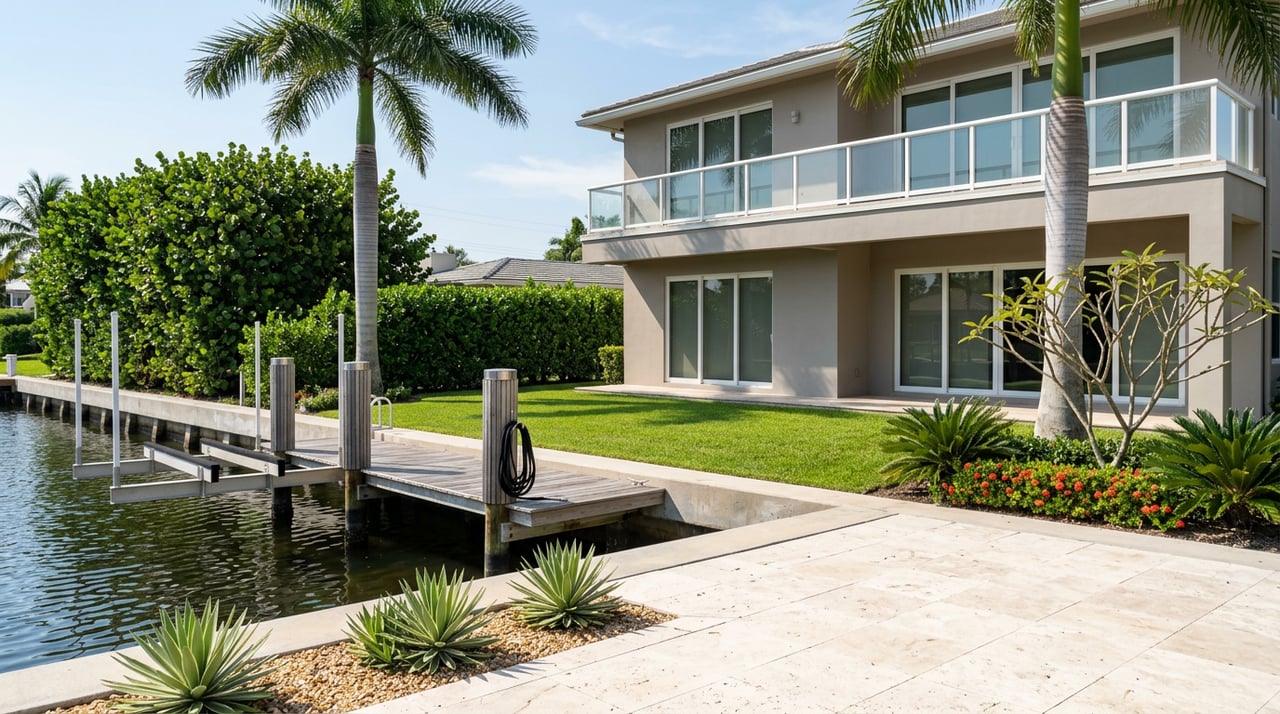
If the building includes shared docks, slips, or marina amenities, ask for those related records as part of due diligence. Florida condominium law specifically requires certain disclosure related to required state or local acceptance or approval for dock or marina facilities serving the condominium.
For buyers focused on boating access or waterfront amenities, this is not a minor detail. It is part of understanding what you are buying and whether the timeline could stretch because of missing or incomplete records.
What slows the timeline most
Most Jupiter waterfront condo delays fall into a few predictable categories.
- Waiting too long to get preapproved
- Delaying flood-zone and insurance research
- Slow collection of condo documents
- Estoppel timing and follow-up
- Association approval requirements
- Underwriting requests that come late in the process
The good news is that most of these issues are manageable when handled in the right order. That is why local guidance matters most before and during contract, not just at closing.
A season-ready timeline at a glance
If you want a realistic planning window, this is a practical way to think about it:
- Week 0 to 1: Preapproval, budget review, flood and insurance research
- Week 1 to 3: Showings, building comparisons, early document review
- Same week to 10 days after selection: Offer, contract, estoppel request, core association paperwork
- Week 2 to 5 after contract: Inspection, financial review, milestone and reserve document review, underwriting
- Week 3 to 6 after contract: Association approval if required, insurance completion, final closing prep
That is not a guarantee for every transaction. It is a strong framework for buying a Jupiter waterfront condo this season without losing time to avoidable delays.
Why local guidance helps
Waterfront condo purchases in Palm Beach County are rarely just about price and location. Timing often depends on how well you coordinate flood review, association records, insurance, and closing deadlines.
That is where building-level experience can help you make clearer decisions. If you are planning to buy a Jupiter waterfront condo this season, working with a local specialist can help you stay focused on the details that matter most, while keeping the process moving. When you are ready to map out your purchase timeline, connect with Robert A Scarmazzo.
FAQs
How long does it take to buy a Jupiter waterfront condo?
- A ready buyer should usually plan in weeks rather than days. Jupiter’s condo and townhouse market posted a 53-day median time to contract in Q4 2025, and the full timeline can also depend on financing, condo documents, insurance, and association approval.
When should you get preapproved for a Jupiter condo purchase?
- You should get preapproved when you are close to seriously shopping, since CFPB says preapproval letters often expire in 30 to 60 days and sellers commonly want a current letter with an offer.
Why is flood insurance important for a Jupiter waterfront condo?
- The Town of Jupiter states that standard homeowners insurance does not cover flooding, and most flood policies have a 30-day waiting period, so flood research should begin early in the process.
What condo documents matter most in a Jupiter waterfront purchase?
- Key items include the declaration, bylaws, rules, budget, annual financial statements, estoppel certificate, and any milestone inspection or structural integrity reserve study materials that apply.
Can condo association approval delay a Jupiter closing?
- Yes. If transfer approval is required by the association, the timeline can extend because approval timing is specific to that building and is not governed by one universal statewide deadline.
What should you ask about marina amenities in a Jupiter waterfront condo?
- If the condominium includes docks, slips, or marina features, you should ask for any related approval or acceptance documents required under Florida condo disclosure rules as part of your due diligence.