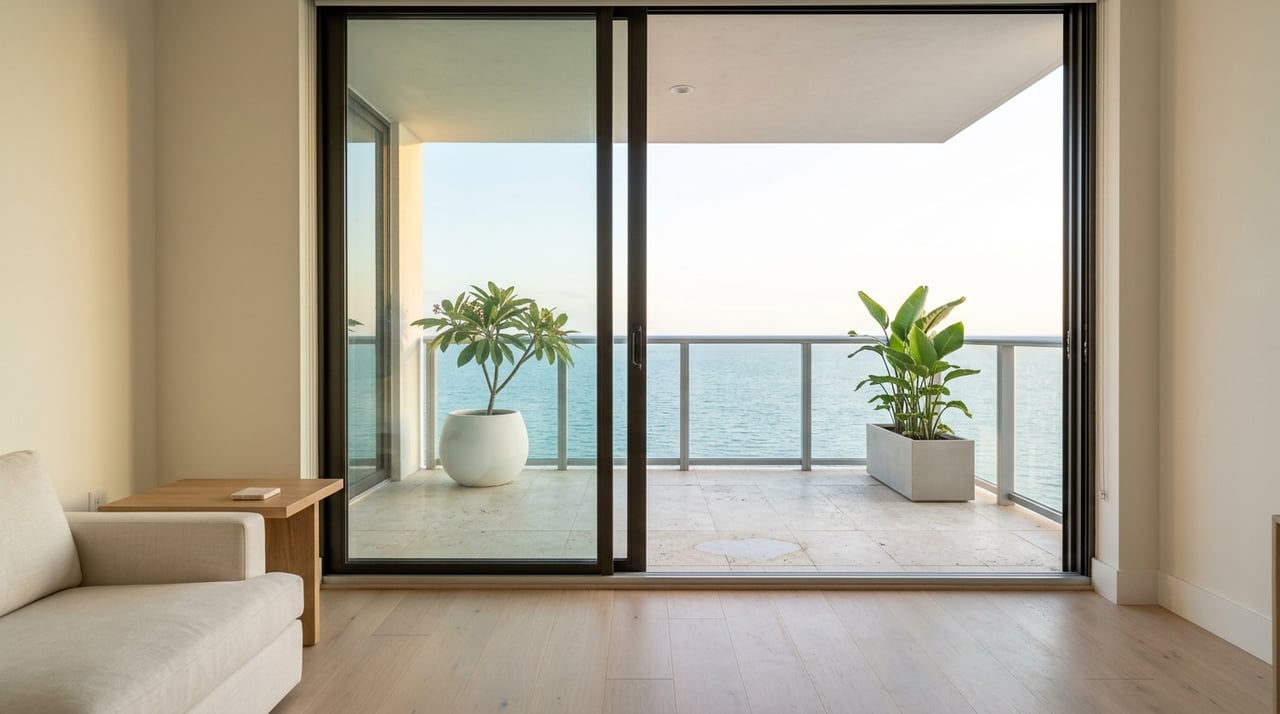
Buying a waterfront condo in Jupiter can feel like the best of both worlds. You get a personal escape near the water, and you may also have the option to generate rental income when you are away. The key is knowing that not every condo works the same way for seasonal use, so the smartest buyers look beyond the view first. Let’s dive in.
Why Jupiter Appeals to Seasonal Owners
Jupiter offers the kind of setting many part-time owners want. The town reports about 3.4 miles of beaches, and the Riverwalk follows roughly 2.5 miles of the Intracoastal Waterway with access to marinas, restaurants, public docks, and public boat ramps. The Jupiter Waterway Trail also adds more ways to enjoy the area, including kayaking, paddleboarding, snorkeling, boating, fishing, and diving.
That lifestyle matters if you plan to use your condo for part of the year and rent it during other months. Palm Beach County’s tourist-tax office says the county receives more than 9.2 million visitors annually, which helps support seasonal lodging demand. For buyers, that creates an appealing mix of personal enjoyment and possible income potential.
Why Rental Potential Depends on the Building
A waterfront location alone does not make a condo a strong seasonal rental. In Florida condominiums, the recorded declaration, bylaws, and rules control how the unit can be used. That means your rental strategy has to match the building’s actual rules, not just the location or the unit’s features.
This is especially important if you are counting on seasonal income. A condo may look ideal on paper, but lease restrictions, approval steps, and fees can change the math quickly. In many cases, the association documents are just as important as the floor plan or water view.
Review Lease Rules Before You Buy
Before you rely on rental income, confirm the building allows the kind of leasing you want. Florida law makes it important to review both the original condo documents and any later amendments. A later amendment that prohibits rentals, shortens lease terms, or limits rental frequency generally applies to owners who consented and to buyers who purchase after the amendment takes effect.
That means a buyer should not assume current ownership patterns tell the full story. You need to read the documents carefully and confirm what is allowed today. This step can protect you from buying a unit that does not fit your plan.
Key Rental Questions to Ask
When reviewing condo documents, focus on practical details such as:
- Minimum lease term
- Limits on how often you can rent
- Any waiting period before your first rental
- Whether board approval is required for tenants
- Background screening requirements
- Transfer or approval fees
- Security deposit requirements for lessees
- Rules on parking, pets, storage, and amenity access
- Dock, marina, or boat-slip use, if applicable
These details shape the real-world experience for both you and your future tenants. A condo that fits your seasonal goals should be workable on paper and in practice.
Understand Florida Condo Disclosure Requirements
Florida law requires buyers to receive important condo documents before closing. These include the declaration, articles, bylaws and rules, plus the annual budget and financial statement. When applicable, buyers must also receive the inspector-prepared summary of the milestone inspection report and the association’s most recent structural integrity reserve study.
For sale contracts entered into after December 31, 2024, milestone and reserve-study status must be disclosed in conspicuous type. If a contract does not conform, it may be voidable before closing. For a waterfront condo buyer, this is not just paperwork. It is a major part of understanding your future ownership costs and risks.
Know the True Cost of Seasonal Renting
If you plan to rent out your Jupiter condo for six months or less, Palm Beach County treats it as a transient rental for tax purposes. The county’s tourist development tax is 6% of taxable rental receipts, including mandatory fees such as cleaning and pet fees. This tax is collected in addition to Florida sales tax.
Florida’s Department of Revenue also treats short-term condo rentals of six months or less as taxable transient rentals. So if you are estimating rental performance, make sure you are looking at net income after taxes, compliance, and turnover expenses. Gross rent alone will not give you a reliable picture.
Local Palm Beach County Compliance Steps
Palm Beach County says short-term rental operators must follow local registration and tax rules. If your condo will be rented short term, you may need to account for:
- A registered Tourist Development Tax account
- A Short-Term Rental Local Business Tax Receipt for each unit
- Collecting and remitting Tourist Development Tax
- Displaying the TDT account number in online ads
- Displaying the short-term rental receipt number in online ads
The county also says online platforms do not remit the tax to the county. That means the host remains responsible for compliance. For an owner, this is a critical detail because it affects time, process, and profitability.
Watch Building Condition and Reserve Funding
For waterfront high-rises, building condition deserves close attention. In Florida, residential condominium buildings that are three habitable stories or higher must complete milestone inspections by age 30. A local enforcement agency may require inspections at age 25 when local conditions, including proximity to salt water, support earlier timing.
That matters in Jupiter because waterfront exposure can increase wear over time. If a building is older or has deferred maintenance, inspection findings and future repair costs can affect your ownership experience and your rental returns. A beautiful unit inside a financially strained building can become a costly surprise.
Why Reserve Studies Matter for Buyers
Florida’s structural integrity reserve study rules are also a major part of condo due diligence. Existing unit-owner-controlled residential condominium associations that were in control on or before July 1, 2022 had to complete a structural integrity reserve study by December 31, 2025 for each building on the property that is three habitable stories or higher.
The study must address key components such as:
- Roof
- Structure
- Fireproofing and fire protection systems
- Plumbing
- Electrical systems
- Waterproofing and exterior painting
- Windows and exterior doors
- Other qualifying deferred-maintenance items under the statute
For buyers, this is not an abstract legal issue. Reserve strength, special assessments, insurance, and repair history all shape the long-term affordability of ownership.
Seasonal Ownership Works Best With Clear Numbers
A Jupiter waterfront condo can absolutely work as a personal retreat with rental upside. But the best opportunities usually come from buildings with clear leasing flexibility, complete disclosures, manageable compliance requirements, and a sound financial and structural profile.
That is why smart buyers underwrite the entire building, not just the unit. You want to know whether the condo supports your intended use over time, not just whether it photographs well on showing day. When the rules, reserves, and rental structure line up, seasonal ownership can be much more predictable.
What to Prioritize in Your Search
If you are comparing Jupiter waterfront condos for seasonal use, keep your attention on a short list of high-impact factors:
- Lease terms that match your seasonal plan
- A straightforward tenant approval process
- Reasonable fees and deposit requirements
- Clear short-term rental tax compliance steps
- Completed or well-documented inspection and reserve disclosures
- Strong reserve funding and manageable assessment exposure
- Amenities and access that support guest appeal
This kind of review helps you separate a condo that is merely attractive from one that is truly functional for your goals. For many buyers, that distinction is where the best decisions are made.
If you want guidance on evaluating waterfront condos in Jupiter and nearby Palm Beach County communities, Robert A Scarmazzo offers local, building-focused insight to help you compare lifestyle value with real-world ownership costs.
FAQs
Can a Jupiter waterfront condo be used part time and rented seasonally?
- Yes, but only if the condominium’s declaration, bylaws, and rules allow the lease term, rental frequency, and tenant approval process that match your plan.
What rental restrictions should buyers check for Jupiter condos?
- Buyers should verify minimum lease terms, rental frequency limits, waiting periods before renting, tenant approval requirements, fees, deposits, and rules affecting parking, pets, storage, and amenities.
Are short-term rentals in Palm Beach County taxed?
- Yes. Rentals of six months or less are treated as transient rentals, and Palm Beach County applies a 6% tourist development tax in addition to Florida sales tax.
Do Jupiter condo buyers need to review milestone inspections and reserve studies?
- Yes. Florida law requires important disclosure materials, and these documents can reveal building condition, reserve funding needs, and risks that may affect future costs.
Why do building finances matter for seasonal condo buyers in Jupiter?
- Building finances matter because reserve strength, special assessments, insurance, and deferred maintenance can significantly affect the total cost of ownership and rental performance.