If you love the idea of stepping from your home to your dock and heading out on the water, Harbour Isles deserves a closer look. For many buyers, waterfront living is not just about a view. It is about how easily your property fits the way you actually boat, entertain, and move through coastal Palm Beach County. This guide breaks down Harbour Isles from a boater’s perspective, so you can better understand the setting, the access, and the ownership details that matter most. Let’s dive in.
Why Harbour Isles Stands Out
Harbour Isles is a small planned waterfront community in the Village of North Palm Beach. Official records from the Northern Palm Beach County Improvement District identify it as a 75.96-acre development, which helps explain why it feels more like a private enclave than a large neighborhood.
From a buyer’s standpoint, that smaller footprint matters. It supports a more estate-style atmosphere and a lower-density feel, which is often exactly what waterfront buyers want when privacy, docking, and room to spread out are high on the list.
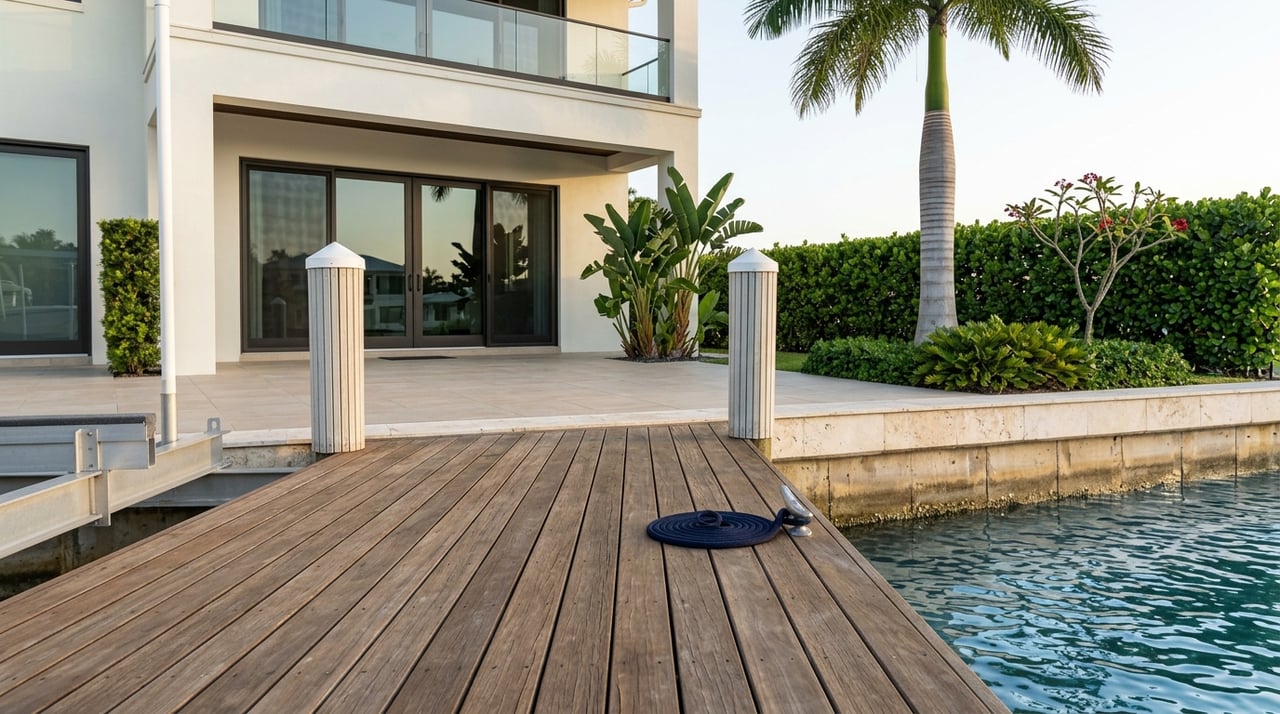
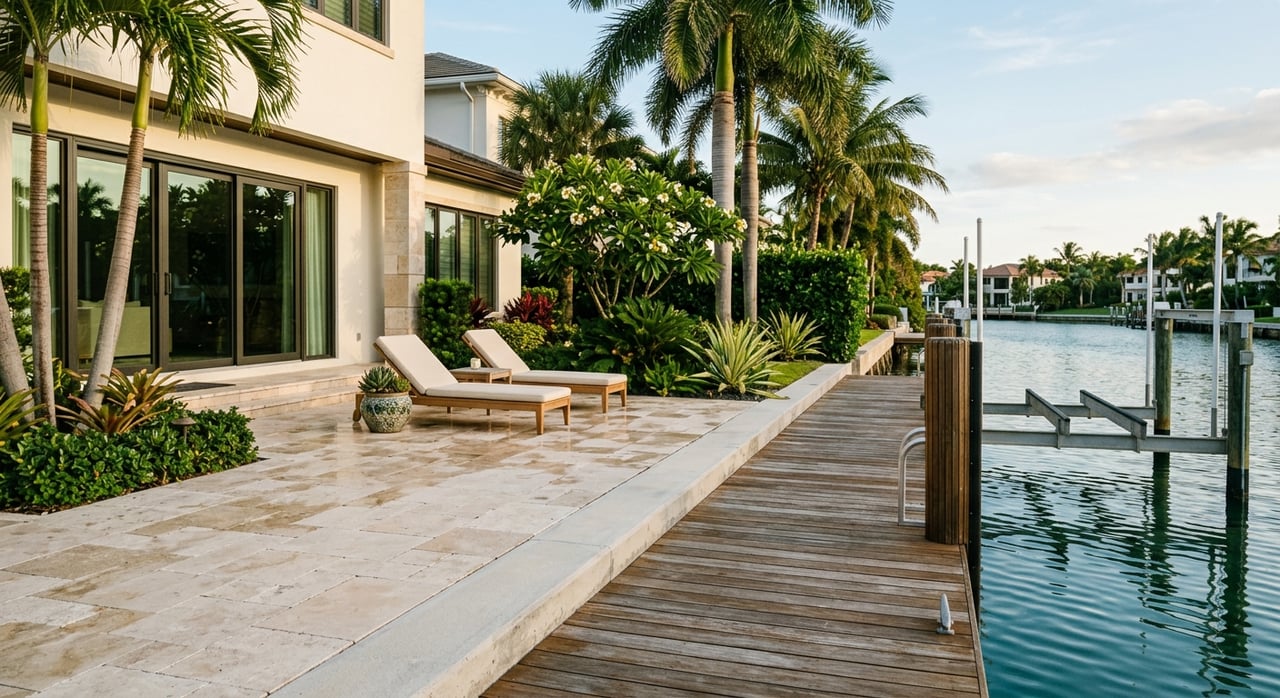
Current property listings also describe Harbour Isles as gated, deep-water, and oriented around private docks with ocean access. While each home is different, that consistent positioning gives you a good sense of the community’s boating identity.
North Palm Beach Supports the Lifestyle
Harbour Isles benefits from being in North Palm Beach, a village that openly leans into its waterfront identity. The Village describes itself as a community centered around boating, fishing, golf, and beaches, which tells you this is not a place where boating feels like an afterthought.
That local character shows up in real amenities and infrastructure. The Village operates the Anchorage Park marina, which includes resident-only wet and dry storage on a wait list, resident-only boat ramp use, two day docks, and a kayak launch platform.
For you as a buyer, that broader setting adds value beyond your own property line. It means boating is woven into daily life here, from public services to recreation, not treated as a niche hobby.
What Boaters Want to Know First
Most buyers looking at Harbour Isles ask a simple question: How usable is this for my boat? That is the right place to start, because the boating experience here depends less on marketing language and more on the specifics of the parcel, the dock, and the vessel you plan to keep.
Recent listings offer a useful snapshot of what may be possible in the community. Examples have included properties with 90 feet of water frontage, private docks, large lifts, 175 feet of frontage, and even room described for a 130-foot yacht.
Those examples are encouraging, but they are not universal promises. In Harbour Isles, as in any waterfront market, dock length, lift capacity, water frontage, turning radius, draft needs, and channel conditions should all be reviewed on a property-by-property basis.
Dock setup is parcel specific
One Harbour Isles home may be well suited for a larger yacht, while another may be better for a smaller vessel, tender, or lift-stored boat. The differences can be significant, even within the same community.
Before you assume a property is turnkey for your boating needs, look closely at:
- Water frontage
- Existing dock length
- Lift size and condition
- Seawall condition
- Depth and draft compatibility
- Maneuvering room near the dock
- Any permitting or improvement history
That kind of review helps you avoid buying a beautiful waterfront home that does not work as smoothly as you hoped once the boat arrives.
Understanding Ocean Access
One of Harbour Isles’ biggest draws is its connection to the local waterway network. The area sits within the broader Lake Worth Lagoon system, a major estuary in Palm Beach County, with quick connections toward Atlantic access.
Some current listings have described a roughly 20-minute run to the Palm Beach Inlet. That may sound appealing, but exact travel time depends on your dock location, vessel speed, tides, traffic on the water, and bridge schedules.
The better way to think about Harbour Isles is this: it offers fast Atlantic access through the local inlet network, with strong appeal for owners who want to get offshore or cruise the Intracoastal with relative ease. If run time is critical to you, it should be verified based on the specific property and your style of boating.
Why inlet logic matters
For boaters, access is not just about distance on a map. It is about how quickly and comfortably you can leave the dock, clear local waterways, and reach your preferred route.
That is why Harbour Isles attracts attention from serious waterfront buyers. The community’s boating appeal comes from the combination of private residential docking and a location that keeps you connected to the wider coastal system without feeling too far removed from daily conveniences.
The Community Feel From the Water
Harbour Isles tends to appeal to buyers who want a more private, polished setting. Its limited acreage, gated reputation, and waterfront orientation support a quiet, estate-like character instead of a busy, high-turnover atmosphere.
From a boater’s perspective, that matters in practical ways. A lower-density environment can mean a more composed arrival experience, less visual clutter, and a stronger sense that the waterfront is part of the home itself, not just a backdrop.
That same appeal often resonates with second-home buyers and seasonal owners who want a property that feels tucked away, yet still connected to the coastal lifestyle that defines this part of Palm Beach County.
Ownership Details You Should Verify
Waterfront real estate can be exciting, but smart buyers know the details matter. In Harbour Isles, the Village of North Palm Beach regulates boats, waterways, and certain storage conditions, so due diligence is an important part of the purchase process.
Village rules note that boats and RVs stored on residential property must be visually screened from abutting properties, street rights-of-way, and alleyways, and must be properly licensed. The Village also references registration and special-exception processes in some oversize situations.
If you plan to keep a trailer, a second boat, or a tender on-site, this is worth reviewing early. It is much easier to confirm storage rules before closing than to adjust your plans afterward.
Check dock rights and permissions
The Village code also regulates docks, piers, mooring buoys, and related waterside structures. The code states that no person may moor a boat at a private or public seawall or dock without permission.
That may sound obvious, but it points to an important broader lesson for buyers: verify dock rights, permitting history, and maintenance responsibility instead of assuming every existing setup is fully ready to go. On waterfront property, those details directly affect usability and long-term cost.
Harbour Isles and Singer Island Pair Well
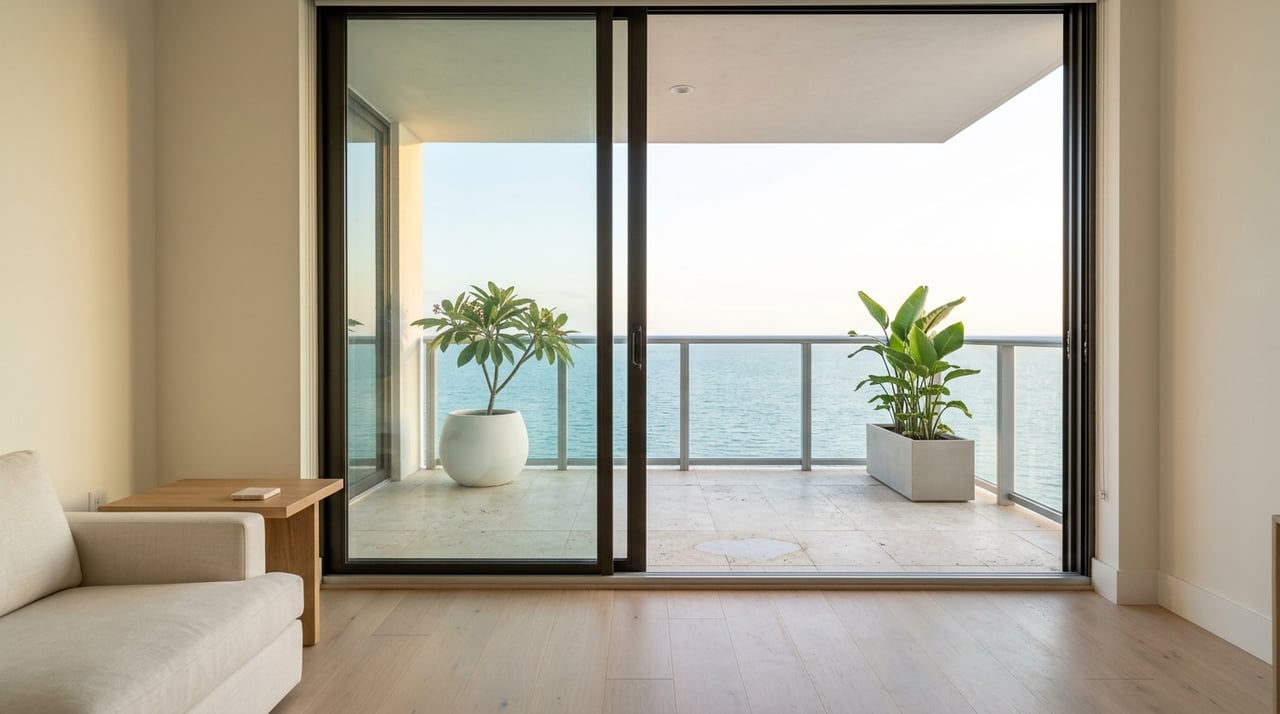
For the right buyer, Harbour Isles and Singer Island can complement each other surprisingly well. Harbour Isles offers the private dock-and-boat lifestyle, while Singer Island brings a different kind of coastal experience built around beachfront living, resort-style amenities, and lock-and-leave convenience.
Singer Island is known in Palm Beach County for its beachfront setting, boating access, snorkeling, parks, and marina activity. That makes it a natural companion market for buyers who want both dockage utility and easy beach living within the same coastal orbit.
In practical terms, you may see Harbour Isles as the place where the boat lives and where waterfront home life takes center stage. You may see Singer Island as the beach-focused counterpart, especially if low-maintenance condo ownership, seasonal use, or investment potential is part of your long-term plan.
Why this matters for local buyers
This pairing reflects how many Palm Beach County buyers really shop. They are not only comparing one home to another. They are comparing one lifestyle format to another.
If you are torn between a private waterfront home and a luxury condo near the beach, it helps to understand that these are not competing choices so much as different expressions of the same coastal lifestyle. The best fit depends on whether your priority is dock access, lock-and-leave ease, or a blend of both.
What to Focus On During Your Search
If Harbour Isles is on your radar, keep your search centered on boating function first and finishes second. Kitchens, pools, and outdoor entertaining areas matter, but they are easier to change than water access fundamentals.
A smart Harbour Isles search usually includes these questions:
- Does the dock fit your current boat and your next one?
- Is the lift adequate for the vessel you plan to keep there?
- How easy is it to navigate from the dock to open water routes?
- What are the seawall and dock maintenance expectations?
- Are there any Village rules that affect storage or future improvements?
- Does the property support your lifestyle year-round or seasonally?
When you start with those basics, you can evaluate each home with more confidence. That approach also helps you separate a good-looking waterfront property from one that truly performs for the way you live on the water.
Harbour Isles is compelling because it offers more than a waterfront address. It offers the possibility of a daily boating rhythm in a private North Palm Beach setting that is tied into one of South Florida’s most recognizable coastal lifestyles. If you want a home where the dock is part of the plan, not just part of the view, this community is worth serious consideration.
If you are weighing Harbour Isles against Singer Island or another nearby waterfront option, local insight can make the comparison much clearer. For personalized guidance on coastal properties in North Palm Beach, Singer Island, and nearby communities, connect with Robert A Scarmazzo.
FAQs
Is Harbour Isles in North Palm Beach a good fit for boat owners?
- Harbour Isles is widely positioned as a gated, deep-water waterfront community with private docks and ocean-access appeal, but the boating fit depends on the specific parcel, dock setup, and vessel requirements.
Can a large yacht fit at a Harbour Isles waterfront home?
- Some current listings describe large-yacht capability, including substantial frontage and heavy-lift setups, but yacht fit is property specific and should be verified based on dock length, lift capacity, frontage, and channel access.
Does Harbour Isles offer quick ocean access for boaters?
- Harbour Isles benefits from fast Atlantic access through the local inlet network, though exact run times vary by property, vessel, tides, traffic, and bridge schedules.
What boat storage rules apply in North Palm Beach?
- The Village states that boats and RVs stored on residential property must be visually screened from abutting properties, street rights-of-way, and alleyways, must be properly licensed, and may require added review in some oversize situations.
What should buyers verify about a Harbour Isles dock?
- Buyers should confirm dock rights, permitting history, maintenance responsibility, seawall condition, and whether the existing setup truly supports their boat size and usage plans.
How does Harbour Isles compare with Singer Island for waterfront living?
- Harbour Isles is better known for private residential dockage and estate-style waterfront living, while Singer Island offers beachfront condo living, marina-oriented coastal access, and lock-and-leave convenience.